

A joint paper by Capital Economics and Columbia Threadneedle Investments
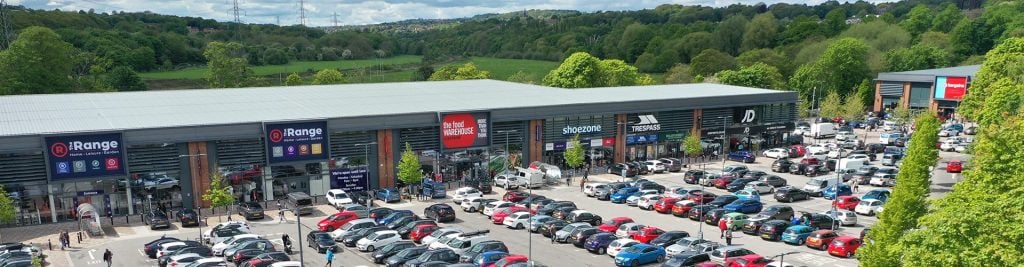
Retail parks are uniquely positioned at the intersection of three structural forces: value-oriented consumer behaviour, demand for convenience, and a constrained supply pipeline. We assess the outlook for one of the UK’s most structurally supported real estate sub-sectors.
Retail parks: Key takeaways
- Aligned with consumer trends. Household demand continues its shift towards value and convenience, both of which are structurally supportive of the retail park sub-sector.
- Highly restricted development pipeline. Retail park development averaged under 250,000 sq ft per annum between 2020 and 2025, far below the 4.1 million sq ft on average between 1990 and 2000. Overall vacancy is around 3.5%.
- The combination of structural demand and a limited development pipeline is expected to support superior rental growth and total returns over the medium term, positioning retail parks as one of the top performing UK commercial sub-sectors between 2026 and 2030.
~3.5%
Retail park vacancy rate
+1.4%
Retail park footfall increased by 1.4% in the 12 months to June 2026, outperforming shopping centres and high streets
2x
Discount variety and discount grocery segments have doubled their footprint over the past decade
The UK retail sector has undergone a decade of structural change, with retail parks emerging as one of the sub-sectors most closely aligned with the resulting structural shifts in consumer behaviour and occupier requirements.
Two long-term trends now define UK household spending: a heightened focus on value, and a preference for low friction, convenience-oriented purchasing. Retail parks are well-positioned to benefit from both given their car accessible edge-of-town locations, tenant composition and physical configuration. In parallel, planning constraints and elevated construction costs continue to limit new supply, sustaining a tight market for existing assets.
Together, these dynamics should support rental growth and total returns above those of most other real estate sub-sectors over the next five years.
Interested in learning more?
Download the full UK retail parks report where we examine the underlying drivers behind this trend: Consumer behaviour and the shift towards value and convenience; Retail park characteristics, and why they are functionally relevant to the modern occupier; and the Market outlook, where structural demand meets constrained supply.