


Key Takeaways
- Markets rallied into the end of last week after the announcement of a conditional ceasefire between Iran and the US.
- No deal was reached over the weekend but the response in markets has been relatively benign.
- Any US blockade would see additional stress placed on energy exports to Asia, and China in particular.
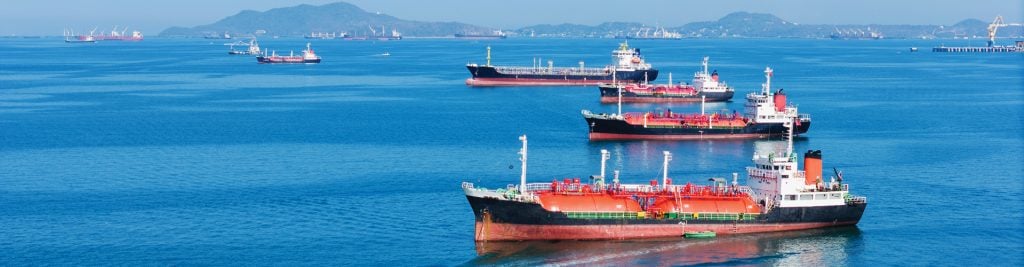
- Around 900 ships are waiting to leave the Gulf and even when a resolution is reached, it will be weeks before things return to normal.
- The International Monetary Fund looks set to downgrade global growth estimates and both energy and equity markets will likely remain volatile.
We finished last week with optimism in financial markets around the conditional ceasefire deal that was agreed between the US and Iran. Talks took place over the weekend but with no agreement reached we head into this week with yet more uncertainty.
21 hours of weekend talks concluded with no deal in place, but the ceasefire remains intact and that is a positive. Intermediaries are still working hard behind the scenes to make sure that both sides continue to communicate. At the headline level there do seem to be some pretty large gaps between the US and the Iranian peace proposals – compromise will be required. Key issues appear to be around the unfreezing of Iranian assets, nuclear capabilities and the Strait of Hormuz, which is providing Iran with a significant point of leverage over the global economy.
Despite ongoing wranglings, the last week saw a step back from threatened escalation with the ceasefire and peace talks suggesting both sides are interested in reaching a deal.
We now have the US talking about blockading the Strait of Hormuz. This would be an escalation from the Iranian point of view and could mean that exports heading to Asia, and particularly China, will be curtailed in the short term. Such steps would exacerbate already stressed export markets.
The US currently has naval vessels in the Strait and has been clearing mines from shipping lanes. Such manoeuvres are designed to give them more control and facilitate a return to normal levels of traffic. We are, however, a considerable way off ‘normal’ with around 900 ships waiting to leave the Gulf. Before the conflict around 140 ships made the passage daily. In recent days only nine or 10 ships have navigated the waterway, but around 13 are prepped for immediate departure.
Even when a deal is reached it will take a long time for normal service to be resumed, with estimates around six to eight weeks. When traffic begins to flow we will likely see a fall back in oil prices, but supply stresses will persist as it will take time for oil and gas to reach their final destinations.
In terms of a broader outlook, the picture remains uncertain. Our base case remains that some sort of resolution to the conflict will be reached, but along the way energy markets will continue to be volatile. The same can be said for equity markets, with risk assets rallying as moves towards a longer-term cessation of hostilities emerge.
The International Monetary Fund will likely downgrade global growth estimates when it meets this week, but the market response to the lack of a deal over the weekend has been relatively benign. The consensus view seems to be that some sort of deal will be reached at some point in the coming weeks. In the meantime, we will continue to monitor events closely.