
ie
IE
Ireland
en-IE
ie_inst_classes
inst
Institutional
en
en
Insights

COP28 – main takeaways and key outcomes

The global COP28 climate negotiations have ended, with a deal, as usual, reached at the very last moment. Overall, this COP will be remembered for being the first to agree on transitioning away from fossil fuels, and indeed for being the first time language around the role of ‘fossil fuels’ has been included in a UN climate change agreement.


Increasingly the COPs are splitting into dual conferences, one for the country negotiators and a side-conference with corporate and finance delegates promoting voluntary initiatives. This COP was unprecedented in its attendance, with a record number of observers and guests, including business executives from the energy industry, such as the CEO of ExxonMobil Darren Woods, Occidental CEO Vicki Hollub and the heads of European giants Eni and RWE.


‘Coalitions of the willing’ have also become increasingly important, where national and subnational governments make commitments going beyond the lowest common denominator of a global deal. Most significant this year was an expansion of the alliance of countries committed to setting a deadline for the phase-out of unabated coal use, which now counts the US as a signatory.
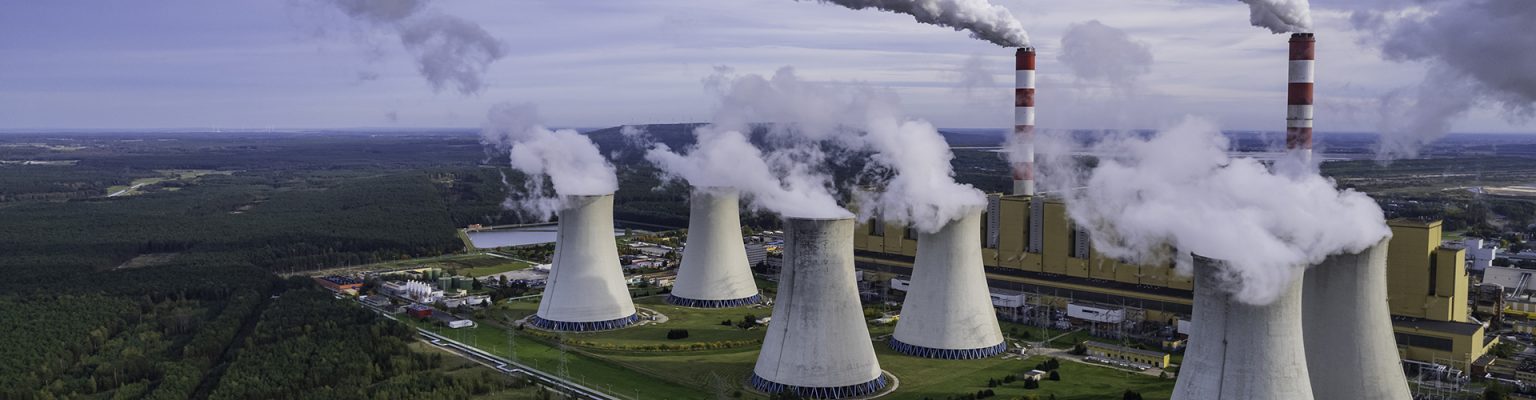
COP28 saw the conclusion of the first global stocktake, designed to itemize what countries are doing (or failing to do) to realise the Paris Agreement commitments. At the heart of the negotiation was the outcome of this stocktake, and what it would say about fossil fuels.

After several re-iterations of the text, it was clear that the negotiations were centred on wording around oil, gas, and coal. We saw first drafts suggesting language around ‘phasing out’ fossil fuels, before finally settling on ‘transitioning away from fossil fuels’.  Though the final wording is less ‘ambitious’ than calling for a full phaseout it is nonetheless indicative of the growing international consensus for fossil-free energy systems – the UN Climate Change Executive Secretary dubbed it “the beginning of the end” of the fossil fuel era. However, the text still includes a sentence recognising that “transitional fuels can play a role”, which is easily interpreted as a way to provide space to negotiate for the role of natural gas.

The text also calls for the phasing out of “inefficient” fossil fuel subsidies. This statement,, which we do not think received enough attention, could provide a material blow to the fossil fuels sector, as fossil fuel subsidies are significant ($7trn in 2022). A statement signed by 12 countries – including the Netherlands, Denmark, Canada and France – committed to providing ‘transparency’ into is fossil fuel subsidies by publishing national inventories ahead of COP29.

The text also calls for a ‘tripling of renewable energy capacity’ and a ‘doubling […] of energy efficiency improvements’ by 2030. If these goals are implemented, they will minimise climate change impacts. Clearly this will need financing, with quick estimates suggesting the costs sit somewhere between $2.2 and $2.7 trillion annually. We note other constraints that need to be ironed out to make this reality, particularly in regards to permitting and grid resilience – according to the IEA the world must spend $600 billion annually by 2040 to prepare our grids.

As always with climate deals, what is critical is how global, high-level pledges translate into actions by governments. As we stated ahead of the conference, investors need greater clarity on national commitments to judge the credibility of country transition strategies. To this end, having these international commitments reflected in individual NDCs, which should be published from late 2024 onwards, will be a crucial next pillar of transparency for investors.

Outcome: COP28 is rich in new global initiatives, but these commitments (like tripling renewable energy capacity and phasing out fossil fuel subsidies) will only meaningfully shift the dial on 1.5C alignment when translated to actionable pathways to implementation.
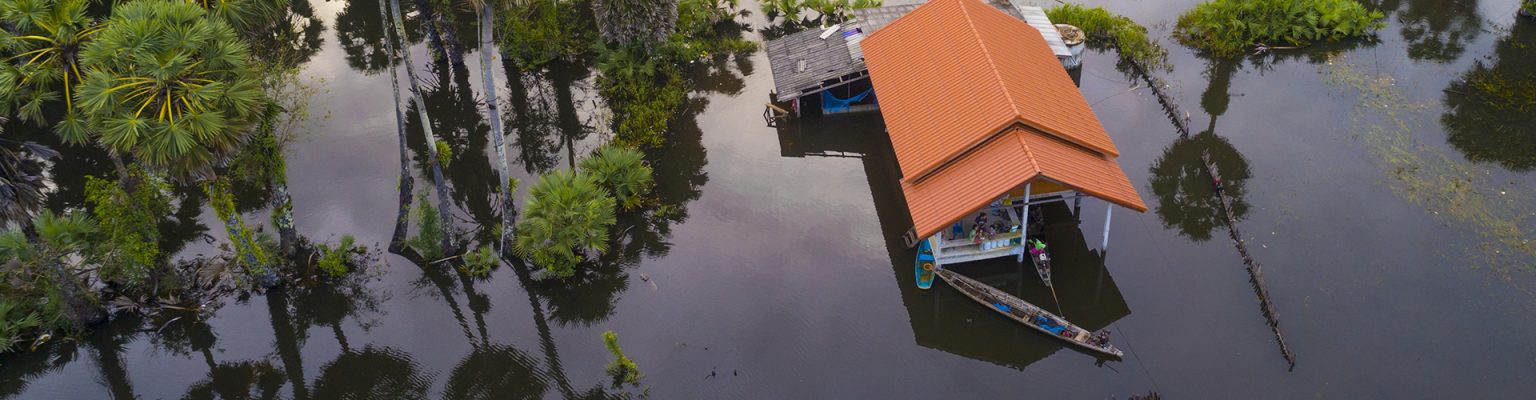
Ahead of the conference we predicted that there may be some minor progress on loss and damage but did not foresee the full operationalisation being agreed. We were surprised, like many, when it was announced on the very first day of COP28 that an agreement to provide funding had been reached. By conference end $700 million had been committed to the fund, from nations including the UK, Japan, UAE, Germany and the US. It was also re-iterated that the fund would be hosted by the World Bank, for now, and that it will be governed by a board of 26 member nations, mostly from developing nations.

However, though initially celebrated, a lot is left unanswered regarding the new fund, as most of its operationalisation remains unclear. The current decision does not include a final statement on the scale and magnitude of the fund. There is also no firm obligation for developed countries to pay into the fund, leaving it open to individual countries generosity. 

Outcome: The current seed funding is tiny compared to the predicted economic costs of damages from climate change in developing nations. Some estimates put the loss and damage needs for developing economies somewhere between $100-580bn per year. Clearly it is impossible to accurately calculate this, but as the fund stands (in scale and in operation) it is unlikely to provide significant capital to countries struggling with climate impacts.

We predicted prior to the conference that there would be continued progress on designing an international carbon market. However, COP28 flattered to disappoint on carbon markets, with negotiators failing to secure an agreement. The main stumbling block was the process for overseeing carbon removal credits, with some nations concerned about inadequate safeguards and loopholes, while others pushed for a lighter touch governance system.

This leaves the UN-led carbon market in a continued state of uncertainty, although avoids a worst-case scenario where a lax international rulebook on carbon credits enables the return of the carbon fraud and greenwashing that was endemic under the previous UN carbon credit system, the Clean Development Mechanism. The lack of agreement will have a knock-on impact on the voluntary carbon market. However, we view this more as removing a potential near term upside rather than promising further downside for this beleaguered market.

Outcome: All major decisions are pushed to COP29, the only cold comfort is that the worst-case scenario of a poorly functioning global carbon market was avoided.

At COP28 the topic of food finally made its way onto the COP table, with several references in both the Global Stocktake and the Global Goal on Adaptation. On the side-lines, 134 countries covering more than three-quarters of the world’s total food systems emissions signed a commitment to work on building more resilient food systems. These efforts were supported by the UN Food and Agriculture Organization (FAO) releasing a roadmap for achieving food security within a 1.5C threshold, however, our view is that the roadmap had insufficient focus on the links between fossil fuels and agriculture. There was also a welcome focus on agricultural methane. This was epitomised by six major food companies, including Nestlé and Kraft Heinz, launching the Dairy Methane Action Alliance, under which they pledged to put in place a methane action plans for their dairy supply chains by the end of 2024.

COP28 was the first round of climate talks since the Global Biodiversity Framework (GBF) was agreed in Montreal last year. This stimulated many new initiatives focused on integrating actions to meet the goals of the GBF and the Paris Agreement. The most notable was Brazil launching a new “tropical forests forever” fund that aims to provide 80 tropical countries with finance to help maintain forest by raising $250bn from sovereign wealth funds. In the closing days of COP28, Colombia announced that it will host the next biodiversity summit, COP16, in 2024.

Outcome: The food system was a welcome addition to the COP menu, but future conferences need to address the links between food production and fossil fuels. We are seeing a positive trend towards tackling the nature-climate nexus, and approaches to tackle both issues in the national biodiversity strategies and action plans which are due before biodiversity COP16.
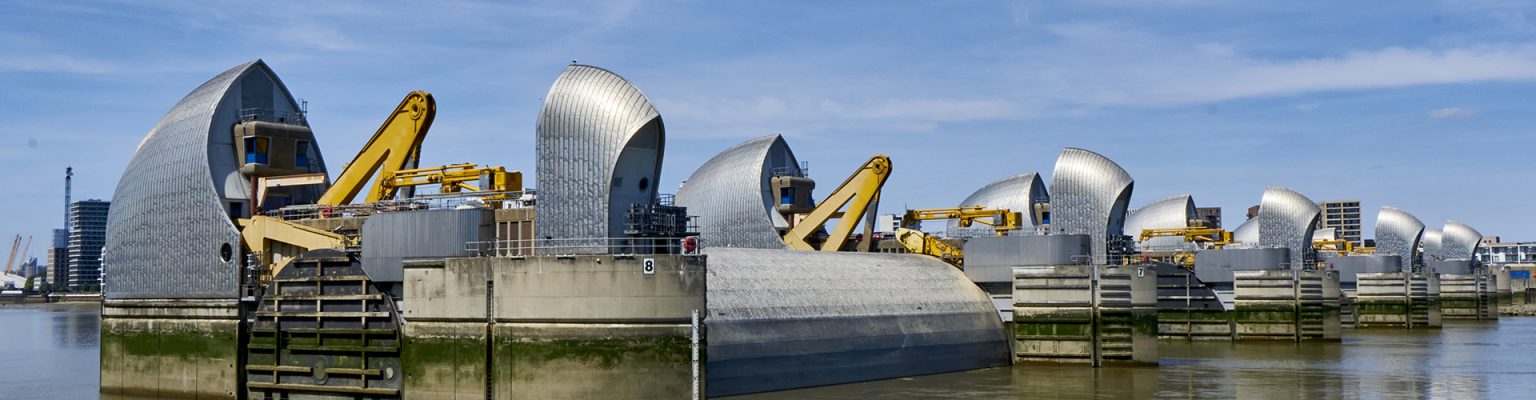
Governments approved a ‘framework’ on adaptation at the conference, which marked a clear step forward on the Global Goal on Adaptation (GGA). We have been watching this agenda item particularly carefully, because adaptation is becoming increasingly relevant to investors – as adaptation tilted strategies can serve the dual purpose of liming future losses while delivering positive returns that can also benefit people and the planet.

Negotiators agreed on key themes to be incorporated in the adaptation framework, which included water, food, health ecosystems, infrastructure, poverty eradication and cultural heritage. The text also re-stressed the highly context-specific nature of adaptation. Overall, we were disappointed with the lack of clarity in the adaptation goals in the final text, as they fail to set clear numerical targets attached to goals on adaptation.

G77 countries wanted adaptation finance to feature heavily in the text, but there were no new funding agreements approved. We saw this live throughout negotiations, with the first drafts suggesting $400bn annual funding to adaption, but this being removed by the time the gavel went down. The adaptation text talks in general terms about the need for finance to adaptation, including noting that the adaptation finance gap is widening. However, it does not make any conclusive commitments on financing.

Outcome: The agreement provides some clarity on the simultaneously broad and context-specific nature of adaptation action. However, the lack of clear targets and quantifiable metrics means this agreement lacks teeth in its current iteration.


22 December 2023
Albertine Pegrun Haram
Albertine Pegrum-Haram
Senior Associate, Net-Zero Analyst
Joe Horrocks-Taylor
Joe Horrocks-Taylor
Vice President – Sustainable Research
Vicki Bakhshi
Vicki Bakhshi
Climate Strategist
Key topics
Related topics
Listen on Stitcher badge
Key topics
Related topics

Important information

For use by professional clients and/or equivalent investor types in your jurisdiction (not to be used with or passed on to retail clients). For marketing purposes.


This document is intended for informational purposes only and should not be considered representative of any particular investment. This should not be considered an offer or solicitation to buy or sell any securities or other financial instruments, or to provide investment advice or services. Investing involves risk including the risk of loss of principal. Your capital is at risk. Market risk may affect a single issuer, sector of the economy, industry or the market as a whole. The value of investments is not guaranteed, and therefore an investor may not get back the amount invested. International investing involves certain risks and volatility due to potential political, economic or currency fluctuations and different financial and accounting standards. The securities included herein are for illustrative purposes only, subject to change and should not be construed as a recommendation to buy or sell. Securities discussed may or may not prove profitable. The views expressed are as of the date given, may change as market or other conditions change and may differ from views expressed by other Columbia Threadneedle Investments (Columbia Threadneedle) associates or affiliates. Actual investments or investment decisions made by Columbia Threadneedle and its affiliates, whether for its own account or on behalf of clients, may not necessarily reflect the views expressed. This information is not intended to provide investment advice and does not take into consideration individual investor circumstances. Investment decisions should always be made based on an investor’s specific financial needs, objectives, goals, time horizon and risk tolerance. Asset classes described may not be suitable for all investors. Past performance does not guarantee future results, and no forecast should be considered a guarantee either. Information and opinions provided by third parties have been obtained from sources believed to be reliable, but accuracy and completeness cannot be guaranteed. This document and its contents have not been reviewed by any regulatory authority.


In Australia: Issued by Threadneedle Investments Singapore (Pte.) Limited [“TIS”], ARBN 600 027 414. TIS is exempt from the requirement to hold an Australian financial services licence under the Corporations Act 2001 (Cth) and relies on Class Order 03/1102 in respect of the financial services it provides to wholesale clients in Australia. This document should only be distributed in Australia to “wholesale clients” as defined in Section 761G of the Corporations Act. TIS is regulated in Singapore (Registration number: 201101559W) by the Monetary Authority of Singapore under the Securities and Futures Act (Chapter 289), which differ from Australian laws.


In Singapore: Issued by Threadneedle Investments Singapore (Pte.) Limited, 3 Killiney Road, #07-07, Winsland House 1, Singapore 239519, which is regulated in Singapore by the Monetary Authority of Singapore under the Securities and Futures Act (Chapter 289). Registration number: 201101559W. This advertisement has not been reviewed by the Monetary Authority of Singapore.


In Hong Kong: Issued by Threadneedle Portfolio Services Hong Kong Limited 天利投資管理香港有限公司. Unit 3004, Two Exchange Square, 8 Connaught Place, Hong Kong, which is licensed by the Securities and Futures Commission (“SFC”) to conduct Type 1 regulated activities (CE:AQA779). Registered in Hong Kong under the Companies Ordinance (Chapter 622), No. 1173058.


In Japan: Issued by Columbia Threadneedle Investments Japan Co., Ltd. Financial Instruments Business Operator, The Director-General of Kanto Local Finance Bureau (FIBO) No.3281, and a member of Japan Investment Advisers Association and Type II Financial Instruments Firms Association.


In the UK: Issued by Threadneedle Asset Management Limited, No. 573204 and/or Columbia Threadneedle Management Limited, No. 517895, both registered in England and Wales and authorised and regulated in the UK by the Financial Conduct Authority.


In the EEA: Issued by Threadneedle Management Luxembourg S.A., registered with the Registre de Commerce et des Sociétés (Luxembourg), No. B 110242 and/or Columbia Threadneedle Netherlands B.V., regulated by the Dutch Authority for the Financial Markets (AFM), registered No. 08068841.


In Switzerland: Issued by Threadneedle Portfolio Services AG, an unregulated Swiss firm or Columbia Threadneedle Management (Swiss) GmbH, acting as representative office of Columbia Threadneedle Management Limited, authorised and regulated by the Swiss Financial Market Supervisory Authority (FINMA).


In the Middle East: This document is distributed by Columbia Threadneedle Investments (ME) Limited, which is regulated by the Dubai Financial Services Authority (DFSA). For Distributors: This document is intended to provide distributors with information about Group products and services and is not for further distribution. For Institutional Clients: The information in this document is not intended as financial advice and is only intended for persons with appropriate investment knowledge and who meet the regulatory criteria to be classified as a Professional Client or Market Counterparties and no other Person should act upon it.


Columbia Threadneedle Investments is the global brand name of the Columbia and Threadneedle group of companies.

Related insights

23 July 2026

Climate Strategist

Security, supply and the energy transition

Geopolitical shocks have reframed the energy transition as a question of security as well as climate. As governments seek more resilient, affordable energy systems, long-term investors can find opportunities in the infrastructure powering the shift.
30 June 2026

As UK flood risk grows, who is holding the risk?

UK flood risk is rising, raising urgent questions about who ultimately bears the financial cost. We assess the implications for investment managers.
30 April 2026

Vice President, Responsible Investment

Is the world on track for a more sustainable future?

Understanding sustainability trends and the interactions between people and planet is fundamental to identifying future investment opportunities.
11 September 2026

Head of European Large Cap Equities

Europe: better momentum but structural hurdles remain

Although global growth expectations fell after the Iran conflict started, US growth expectations have crept up.
10 September 2026

Global Head of Emerging Market Equities

From Monopoly to Age of Empires - Part II: AI and the new terms of trade: When intelligence becomes abundant, what remains scarce?

In From Monopoly to Age of Empires , we described a world fragmenting into competing technological and economic blocs. Technology, we argued, would not end scarcity.
8 September 2026

Senior Economist, Multi-Asset Solutions team

Delegate OCIO & Strategist

Multi-Asset Investment Outlook 2027: Technological tailwind, geopolitical headwind

The global economy has proved more resilient than many expected, but the investment landscape of 2027 looks materially different from a year ago – shaped by conflict in the Middle East, a reversal in interest rate expectations, and an AI-driven capital expenditure (capex) boom of unprecedented scale.
true
true

Important information

For use by professional clients and/or equivalent investor types in your jurisdiction (not to be used with or passed on to retail clients). For marketing purposes.


This document is intended for informational purposes only and should not be considered representative of any particular investment. This should not be considered an offer or solicitation to buy or sell any securities or other financial instruments, or to provide investment advice or services. Investing involves risk including the risk of loss of principal. Your capital is at risk. Market risk may affect a single issuer, sector of the economy, industry or the market as a whole. The value of investments is not guaranteed, and therefore an investor may not get back the amount invested. International investing involves certain risks and volatility due to potential political, economic or currency fluctuations and different financial and accounting standards. The securities included herein are for illustrative purposes only, subject to change and should not be construed as a recommendation to buy or sell. Securities discussed may or may not prove profitable. The views expressed are as of the date given, may change as market or other conditions change and may differ from views expressed by other Columbia Threadneedle Investments (Columbia Threadneedle) associates or affiliates. Actual investments or investment decisions made by Columbia Threadneedle and its affiliates, whether for its own account or on behalf of clients, may not necessarily reflect the views expressed. This information is not intended to provide investment advice and does not take into consideration individual investor circumstances. Investment decisions should always be made based on an investor’s specific financial needs, objectives, goals, time horizon and risk tolerance. Asset classes described may not be suitable for all investors. Past performance does not guarantee future results, and no forecast should be considered a guarantee either. Information and opinions provided by third parties have been obtained from sources believed to be reliable, but accuracy and completeness cannot be guaranteed. This document and its contents have not been reviewed by any regulatory authority.


In Australia: Issued by Threadneedle Investments Singapore (Pte.) Limited [“TIS”], ARBN 600 027 414. TIS is exempt from the requirement to hold an Australian financial services licence under the Corporations Act 2001 (Cth) and relies on Class Order 03/1102 in respect of the financial services it provides to wholesale clients in Australia. This document should only be distributed in Australia to “wholesale clients” as defined in Section 761G of the Corporations Act. TIS is regulated in Singapore (Registration number: 201101559W) by the Monetary Authority of Singapore under the Securities and Futures Act (Chapter 289), which differ from Australian laws.


In Singapore: Issued by Threadneedle Investments Singapore (Pte.) Limited, 3 Killiney Road, #07-07, Winsland House 1, Singapore 239519, which is regulated in Singapore by the Monetary Authority of Singapore under the Securities and Futures Act (Chapter 289). Registration number: 201101559W. This advertisement has not been reviewed by the Monetary Authority of Singapore.


In Hong Kong: Issued by Threadneedle Portfolio Services Hong Kong Limited 天利投資管理香港有限公司. Unit 3004, Two Exchange Square, 8 Connaught Place, Hong Kong, which is licensed by the Securities and Futures Commission (“SFC”) to conduct Type 1 regulated activities (CE:AQA779). Registered in Hong Kong under the Companies Ordinance (Chapter 622), No. 1173058.


In Japan: Issued by Columbia Threadneedle Investments Japan Co., Ltd. Financial Instruments Business Operator, The Director-General of Kanto Local Finance Bureau (FIBO) No.3281, and a member of Japan Investment Advisers Association and Type II Financial Instruments Firms Association.


In the UK: Issued by Threadneedle Asset Management Limited, No. 573204 and/or Columbia Threadneedle Management Limited, No. 517895, both registered in England and Wales and authorised and regulated in the UK by the Financial Conduct Authority.


In the EEA: Issued by Threadneedle Management Luxembourg S.A., registered with the Registre de Commerce et des Sociétés (Luxembourg), No. B 110242 and/or Columbia Threadneedle Netherlands B.V., regulated by the Dutch Authority for the Financial Markets (AFM), registered No. 08068841.


In Switzerland: Issued by Threadneedle Portfolio Services AG, an unregulated Swiss firm or Columbia Threadneedle Management (Swiss) GmbH, acting as representative office of Columbia Threadneedle Management Limited, authorised and regulated by the Swiss Financial Market Supervisory Authority (FINMA).


In the Middle East: This document is distributed by Columbia Threadneedle Investments (ME) Limited, which is regulated by the Dubai Financial Services Authority (DFSA). For Distributors: This document is intended to provide distributors with information about Group products and services and is not for further distribution. For Institutional Clients: The information in this document is not intended as financial advice and is only intended for persons with appropriate investment knowledge and who meet the regulatory criteria to be classified as a Professional Client or Market Counterparties and no other Person should act upon it.


Columbia Threadneedle Investments is the global brand name of the Columbia and Threadneedle group of companies.

You may also like

Investment approach

Teamwork defines us and is fundamental to our investment approach, which is structured to facilitate the generation, assessment and implementation of good, strong investment ideas for our portfolios.

Funds and Prices

Columbia Threadneedle Investments has a comprehensive range of investment funds catering for a broad range of objectives.

Our Capabilities

We offer a broad range of actively managed investment strategies and solutions covering global, regional and domestic markets and asset classes.
Icon checked

Thank you. You can now visit your preference centre​ to choose which insights you would like to receive by email.

Icon checked

Thank you. You can now visit your preference centre​ to choose which insights you would like to receive by email.